
X-rays vs. CT Scans vs. MRI: Choosing the Right Imaging Technique
When diagnosing medical conditions, imaging techniques provide insights into the body’s internal structures. x-rays, CT scans (computed tomography), and MRIs (magnetic resonance imaging) are among the most common imaging modalities used in healthcare settings. Each technique has advantages, limitations, and specific applications, making it essential to understand their differences to choose the most appropriate option for a particular medical scenario.
X-rays: A Quick and Versatile Imaging Tool
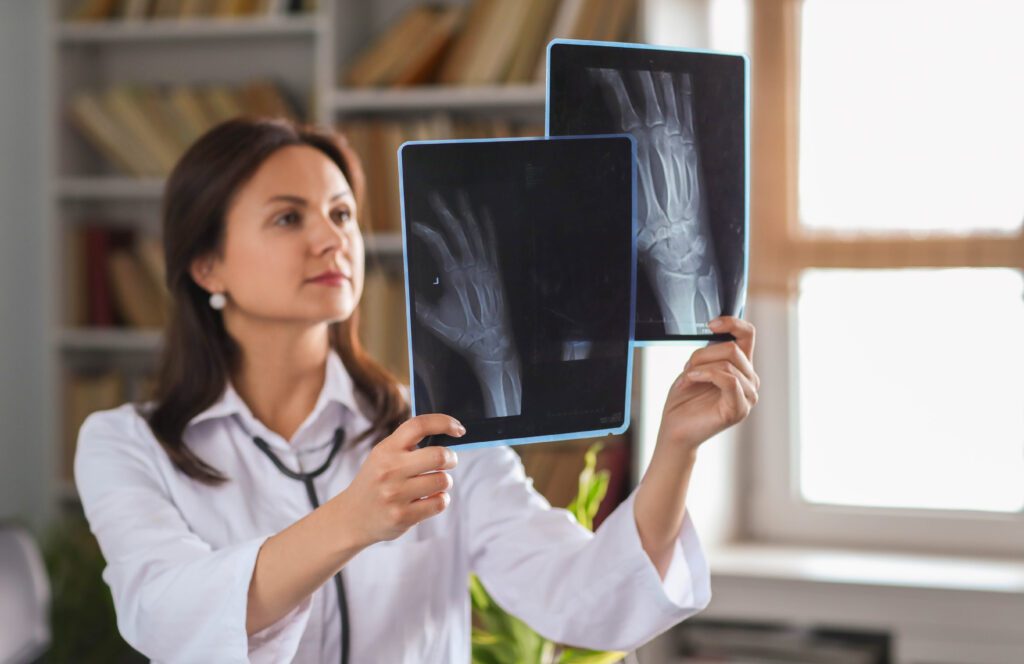
X-rays are one of medicine’s oldest and most widely used imaging techniques. They involve ionizing radiation to produce detailed images of bones and specific soft tissues. X-rays are quick, non-invasive, and relatively inexpensive, making them suitable for various diagnostic purposes, such as detecting fractures, assessing joint conditions, and identifying abnormalities in the chest, abdomen, and extremities.
One of the critical benefits of x-rays is their ability to provide immediate results, allowing healthcare providers to assess injuries and make treatment decisions promptly. However, x-rays have limited capabilities in visualizing soft tissues, organs, and structures with overlapping densities, making them less effective for specific diagnostic tasks. Additionally, repeated exposure to x-ray radiation may pose risks, particularly in sensitive populations such as pregnant women and children.
CT Scans: Detailed Cross-Sectional Imaging
CT scans, also known as computed tomography or CAT scans, offer more detailed and comprehensive imaging than conventional x-rays. CT scans utilize a rotating x-ray beam and advanced computer processing to create cross-sectional images of the body. This technique provides detailed views of internal organs, blood vessels, and tissues, making it valuable for diagnosing various conditions, including trauma, cancer, and vascular diseases.
One of the primary advantages of CT scans is their ability to capture images from multiple angles, resulting in highly detailed three-dimensional reconstructions of anatomical structures. This level of detail allows healthcare providers to visualize complex abnormalities, assess the extent of injuries or diseases, and plan surgical interventions with greater precision. However, CT scans involve higher radiation doses than conventional x-rays, which may increase the risk of radiation-related health effects over time.
MRI: High-Resolution Imaging Without Radiation
MRI, or magnetic resonance imaging, is a non-invasive imaging technique that uses powerful magnets and radio waves to generate detailed images of the body’s internal structures. Unlike x-rays and CT scans, MRI does not involve ionizing radiation, making it a safer option for repeated imaging studies, particularly for children and pregnant women. MRI is well-suited for visualizing soft tissues, organs, and neurological structures with excellent contrast and resolution.
One of the critical strengths of MRI is its ability to differentiate between different types of soft tissues based on their water content and molecular properties. This capability makes MRI particularly valuable for diagnosing conditions affecting the brain, spinal cord, joints, and soft tissues and detecting tumors, inflammation, and vascular abnormalities. However, MRI scans are more time-consuming and expensive than x-rays and CT scans, and they may not be suitable for patients with specific medical devices or metallic implants.
Minimizing Radiation Exposure: Balancing Benefits and Risks
While X-rays and CT scans provide valuable diagnostic information, it’s essential to consider the potential risks associated with radiation exposure, especially with repeated or high-dose imaging studies. Healthcare providers follow the principle of ALARA (As Low As Reasonably Achievable) to minimize radiation doses while maintaining diagnostic accuracy. They carefully assess the necessity of each imaging study, opting for alternative modalities when possible, such as MRI or ultrasound, which do not involve ionizing radiation. Additionally, advancements in imaging technology, such as low-dose CT protocols and dose optimization techniques, help reduce radiation exposure without compromising image quality, enhancing patient safety.
MRI: Advancing Diagnostic Capabilities
MRI continues to evolve with technological advancements, offering new imaging sequences and applications that further enhance diagnostic capabilities. Functional MRI (fMRI), diffusion-weighted imaging (DWI), and magnetic resonance angiography (MRA) are examples of specialized MRI techniques that provide unique insights into brain function, tissue microstructure, and vascular anatomy, respectively. These advanced imaging modalities play a crucial role in diagnosing neurological disorders, stroke, and vascular diseases, enabling more targeted and personalized treatment approaches.
Patient-Centered Care: Tailoring Imaging Studies to Individual Needs
In the era of personalized medicine, healthcare providers emphasize patient-centered care, tailoring imaging studies to each patient’s unique needs and preferences. Factors such as age, medical history, underlying health conditions, and contraindications guide imaging decisions, ensuring patients receive the most appropriate and effective diagnostic evaluations. Moreover, open communication between patients and providers fosters shared decision-making, empowering patients to actively participate in their healthcare journey and make informed choices regarding imaging options.
Continuous Innovation: Shaping the Future of Medical Imaging
The field of medical imaging continues to advance rapidly, driven by innovation, research, and technological breakthroughs. Emerging technologies such as molecular imaging, artificial intelligence (AI), and hybrid imaging modalities hold promise for revolutionizing diagnostic capabilities, improving accuracy, and enhancing patient outcomes. By embracing innovation and staying at the forefront of technological developments, healthcare providers at Clinica Familiar Amistad remain committed to delivering state-of-the-art imaging services that meet patients’ evolving needs and contribute to advancing medical science.
Choosing the Right Imaging Technique
Selecting the most appropriate imaging technique depends on various factors, including the patient’s medical history, symptoms, and the specific clinical question being addressed. Healthcare providers carefully evaluate each case to determine the optimal imaging modality that balances diagnostic accuracy, safety, and patient comfort. By understanding the differences between x-rays, CT scans, and MRIs, patients and providers can make informed decisions and ensure the best possible outcomes in medical imaging.

Compassionate Care and Comprehensive Services at Clinica Familiar Amistad
At Clinica Familiar Amistad, our team of experienced healthcare professionals is dedicated to providing compassionate and comprehensive care to our patients. From diagnostic imaging services to preventive care and treatment, we prioritize patient safety, comfort, and well-being. If you have any questions or concerns about imaging techniques or any other aspect of your healthcare, we’re here to help. Contact us today or visit our Clinica Familiar Amistad blog for more information and resources on medical imaging and healthcare topics.