
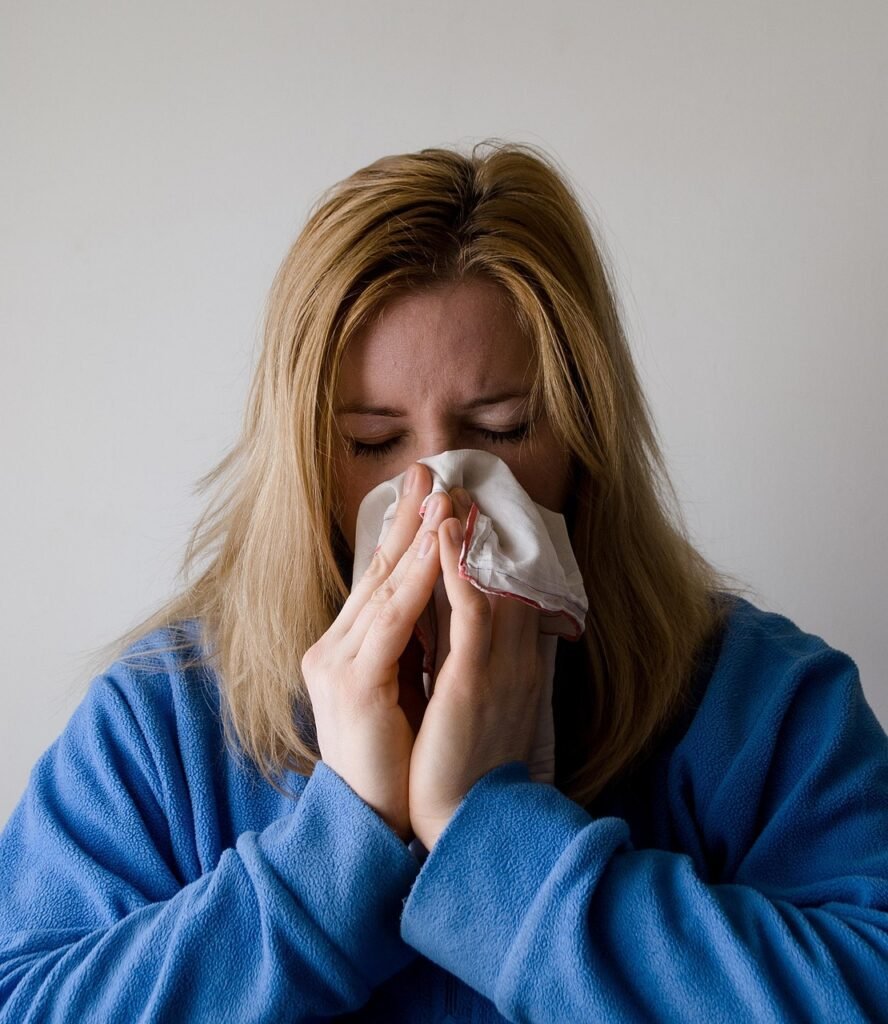
As the weather begins to cool down and fall arrives, respiratory illnesses can become more common. Changes in temperature, increased time spent indoors, and the spread of viruses in schools, workplaces, and other crowded places can all contribute to respiratory infections.
Knowing the most common respiratory diseases and recognizing their symptoms can help you take action early and protect yourself and those around you.
Common Respiratory Diseases in the Fall
1. The Common Cold
The common cold is one of the most frequent respiratory illnesses during the fall. It is usually caused by viruses and can spread easily from person to person.
Common symptoms include:
- Runny or stuffy nose
- Sneezing
- Sore throat
- Cough
- Mild fatigue
- Headache
Most colds improve with rest, fluids, and time. However, symptoms that are severe or do not improve may require evaluation by a healthcare professional.
2. Influenza (Flu)
Flu activity often increases during the fall and winter months. Influenza can cause more significant symptoms than a typical cold and may lead to complications, particularly in older adults, young children, and people with certain health conditions.
Symptoms can include:
- Fever or chills
- Body aches
- Cough
- Sore throat
- Headache
- Extreme tiredness
- Sometimes nausea, vomiting, or diarrhea
Getting an annual flu vaccine is one important way to reduce your risk of influenza and its complications.
3. COVID-19
COVID-19 continues to be a respiratory illness that can circulate during the fall and winter. Symptoms can vary from person to person and may include cough, sore throat, congestion, fever, fatigue, headache, and other symptoms.
If you develop respiratory symptoms, testing may help determine whether COVID-19 or another infection could be responsible.
4. Bronchitis
Bronchitis occurs when the airways that carry air to and from the lungs become inflamed. Acute bronchitis is commonly caused by viral infections and can develop after a cold or other respiratory infection.
A persistent cough is one of the most common symptoms. You may also experience mucus production, fatigue, chest discomfort, or mild shortness of breath.
5. Asthma Flare-Ups
Cooler temperatures and seasonal allergens can trigger asthma symptoms in some people. People with asthma may experience increased coughing, wheezing, chest tightness, or difficulty breathing.
If you have asthma, continue following your healthcare provider’s treatment plan and keep your prescribed medications available.
How Can You Protect Yourself?
There are several simple steps you can take to help reduce your risk of respiratory illness during the fall:
- Wash your hands frequently with soap and water.
- Avoid touching your eyes, nose, and mouth with unwashed hands.
- Avoid close contact with people who are sick when possible.
- Stay home when you are ill to help prevent spreading infections.
- Keep commonly touched surfaces clean.
- Get recommended vaccinations, including the seasonal flu vaccine.
- Stay hydrated and get adequate sleep.
- Eat a balanced diet to support overall health.
- If you have a chronic respiratory condition, follow your healthcare provider’s treatment plan.
When Should You See a Healthcare Professional?
Many respiratory infections are mild and improve with time. However, you should seek medical attention if symptoms are severe, getting worse, or lasting longer than expected.
Difficulty breathing, severe chest pain, confusion, bluish lips or face, or other serious symptoms require prompt medical attention.
Stay Healthy This Fall
Fall can be a beautiful time of year, but it is also an important season to pay attention to your respiratory health. Recognizing symptoms early, practicing good hygiene, staying up to date on recommended vaccinations, and seeking medical care when necessary can help you and your family stay healthier throughout the fall and winter seasons.
If you are experiencing persistent or concerning respiratory symptoms, consider contacting your primary care clinic for an evaluation.
Link to see our website: https://clinicafamiliaramistad.com/bien-venido/
Visit our Facebook: https://www.facebook.com/clinicafamiliaramistad
Visit our Instagram: https://www.instagram.com/clinicafamiliaramistad/
Visit our TikTok: https://www.tiktok.com/@clinicafamiliaramistad_
Visit us!
https://maps.app.goo.gl/3T9EBP5GJJQPzSHVA
Clinica Familiar Amistad
2944 Motley Dr #101, Mesquite, TX 75150