
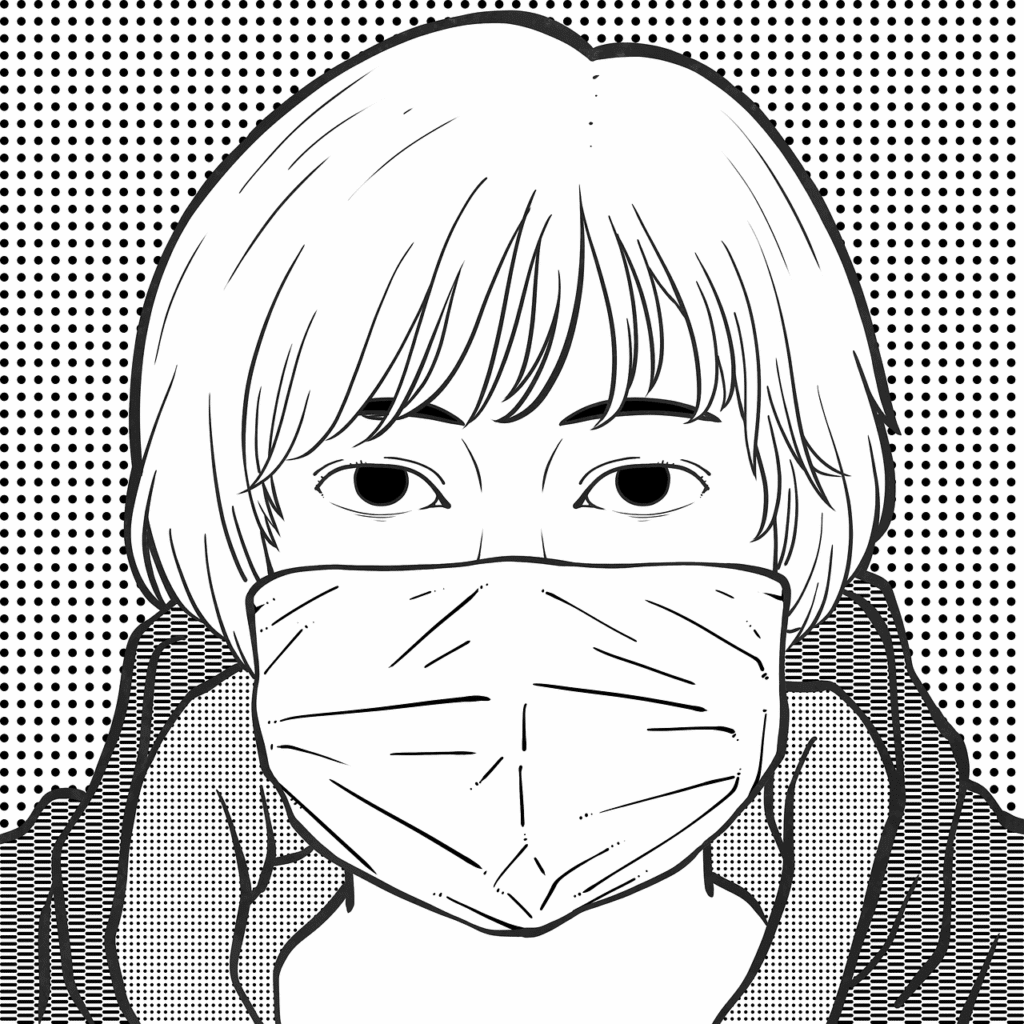
Flu season is a time when many people experience fever, coughing, body aches, and other uncomfortable symptoms. Influenza, commonly known as the flu, is a contagious respiratory illness caused by influenza viruses. It can affect people of all ages and may range from mild illness to serious complications.
Knowing the signs and symptoms of the flu can help you recognize when you may be sick, take steps to protect others, and seek medical care when necessary.
What Are the Common Signs and Symptoms of the Flu?
Flu symptoms often begin suddenly and can make you feel much worse than a typical cold. Common symptoms include:
- Fever or chills: You may develop a fever, although not everyone with the flu will have one.
- Cough: A dry or persistent cough is common.
- Sore throat: Your throat may feel painful, scratchy, or irritated.
- Runny or stuffy nose: Nasal congestion may make breathing through your nose difficult.
- Body aches: Muscle and body pain can be intense.
- Headaches: You may experience mild to severe headaches.
- Fatigue: Feeling extremely tired or weak is common.
- Chills and sweating: You may alternate between feeling cold and hot.
- Nausea, vomiting, or diarrhea: These symptoms are more common in children than adults.
Symptoms can vary from person to person. Some people may experience only a few symptoms, while others may feel very ill.
How Is the Flu Different From a Common Cold?
Although the flu and the common cold share some symptoms, they are not the same illness. The flu often begins suddenly and is more likely to cause fever, significant body aches, headaches, and extreme fatigue. A common cold usually develops gradually and tends to cause milder symptoms, such as sneezing, a runny nose, and a sore throat.
Because symptoms can overlap with COVID-19 and other respiratory infections, it may be difficult to determine which illness you have based on symptoms alone. A healthcare professional may recommend testing to help identify the cause.
How Can You Protect Yourself From the Flu?
There are several steps you can take to reduce your risk of getting sick and spreading the flu:
- Get your annual flu vaccine. Vaccination is one of the best ways to reduce your risk of severe flu illness.
- Wash your hands regularly with soap and water.
- Cover your coughs and sneezes with a tissue or your elbow.
- Avoid close contact with sick individuals whenever possible.
- Stay home when you are sick to help prevent spreading the virus.
- Clean frequently touched surfaces and avoid touching your eyes, nose, and mouth with unwashed hands.
- Get enough sleep, stay hydrated, and eat balanced meals to support your overall health.
When Should You Visit a Primary Care Clinic?
If you develop flu-like symptoms, a healthcare professional can evaluate your condition and determine whether testing or treatment is appropriate. A flu swab test may help detect influenza and guide treatment decisions.
Antiviral medications may help shorten the illness and reduce the risk of complications for some patients, especially when started early. They work best when started within the first 48 hours after symptoms begin, although treatment may still be beneficial later for people who are seriously ill or at higher risk of complications.
People at higher risk include young children, adults aged 65 and older, pregnant individuals, and people with certain chronic health conditions.
Seek emergency medical care if you experience difficulty breathing, persistent chest or abdominal pain, confusion, seizures, severe weakness, or signs of dehydration. In children, emergency warning signs also include bluish lips or face, difficulty waking, or ribs pulling inward with each breath.
Take Care of Your Health This Flu Season
Recognizing flu symptoms early can help you make informed decisions about your health and protect those around you. If you are experiencing fever, coughing, body aches, or unusual fatigue, do not ignore your symptoms, especially if they are severe or getting worse.
Your health matters! Visit your primary care clinic for an evaluation, appropriate testing, and guidance on the best treatment for your symptoms. Taking preventive steps today can help you and your family stay healthier throughout flu season.
Link to see our website: https://clinicafamiliaramistad.com/bien-venido/
Visit our Facebook: https://www.facebook.com/clinicafamiliaramistad
Visit our Instagram: https://www.instagram.com/clinicafamiliaramistad/
Visit our TikTok: https://www.tiktok.com/@clinicafamiliaramistad_
Visit us!
https://maps.app.goo.gl/3T9EBP5GJJQPzSHVA
Clinica Familiar Amistad
2944 Motley Dr #101, Mesquite, TX 75150