

Male reproductive health is an essential component of overall well-being, yet it is often overlooked until problems arise. Semen tests provide valuable information about fertility, infections, and the function of the male reproductive system. Among the most important semen tests are the spermaculture, sperm count, and spermogram. These diagnostic tools help healthcare providers evaluate reproductive health and detect underlying medical conditions that may affect fertility or general health.
Why Semen Testing Is Important
Semen testing is commonly used to evaluate male fertility, especially when couples are having difficulty conceiving. However, these tests also provide insight into infections, inflammation, and the function of organs such as the testes, prostate, and seminal vesicles. Abnormal results can indicate conditions such as infections, hormonal imbalances, or structural problems.
Early detection allows for timely treatment, improving fertility outcomes and preventing complications.
Spermaculture: Detecting Infections
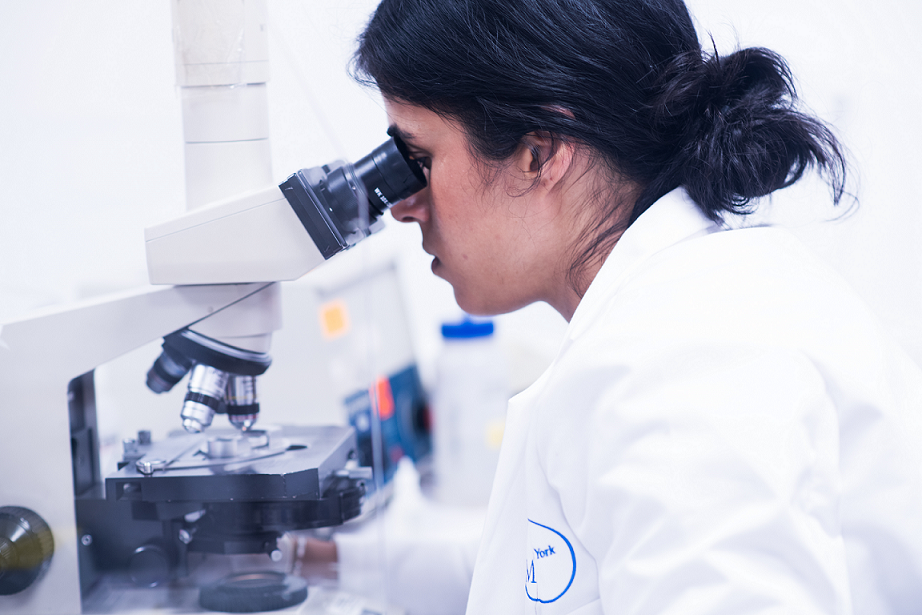
A spermaculture is a laboratory test used to detect microorganisms such as bacteria or fungi in semen. These infections may affect sperm function and overall reproductive health.
What it evaluates:
- Presence of bacteria, fungi, or other pathogens
- Infections in the prostate, seminal vesicles, or urethra
- Causes of unexplained infertility
- Sources of inflammation or discomfort
Why it matters:
Infections can damage sperm, reduce motility, and interfere with fertilization. In many cases, infections may not cause obvious symptoms, making laboratory testing essential. Once identified, infections can often be treated effectively with antibiotics or antifungal medications.
Sperm Count: Measuring the Number of Sperm
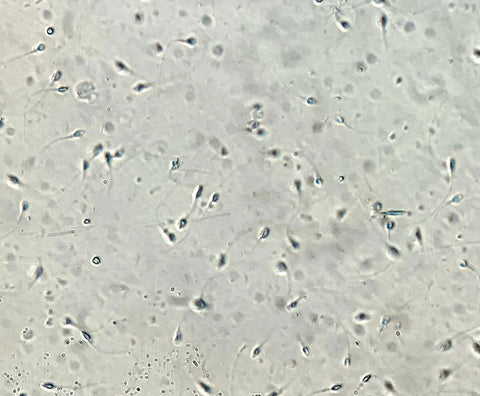

The sperm count measures the number of sperm present in a semen sample. This is one of the most important indicators of male fertility.
What it evaluates:
- Number of sperm per milliliter of semen
- Total sperm count in the entire sample
Why it matters:
A low sperm count, known as oligospermia, can reduce the chances of fertilization. Causes of low sperm count include:
- Hormonal imbalances
- Testicular disorders
- Varicocele (enlarged veins in the scrotum)
- Infections
- Lifestyle factors such as smoking, alcohol use, obesity, and stress
A normal sperm count increases the likelihood of successful fertilization, although other factors also play an important role.
Spermogram: Comprehensive Semen Analysis
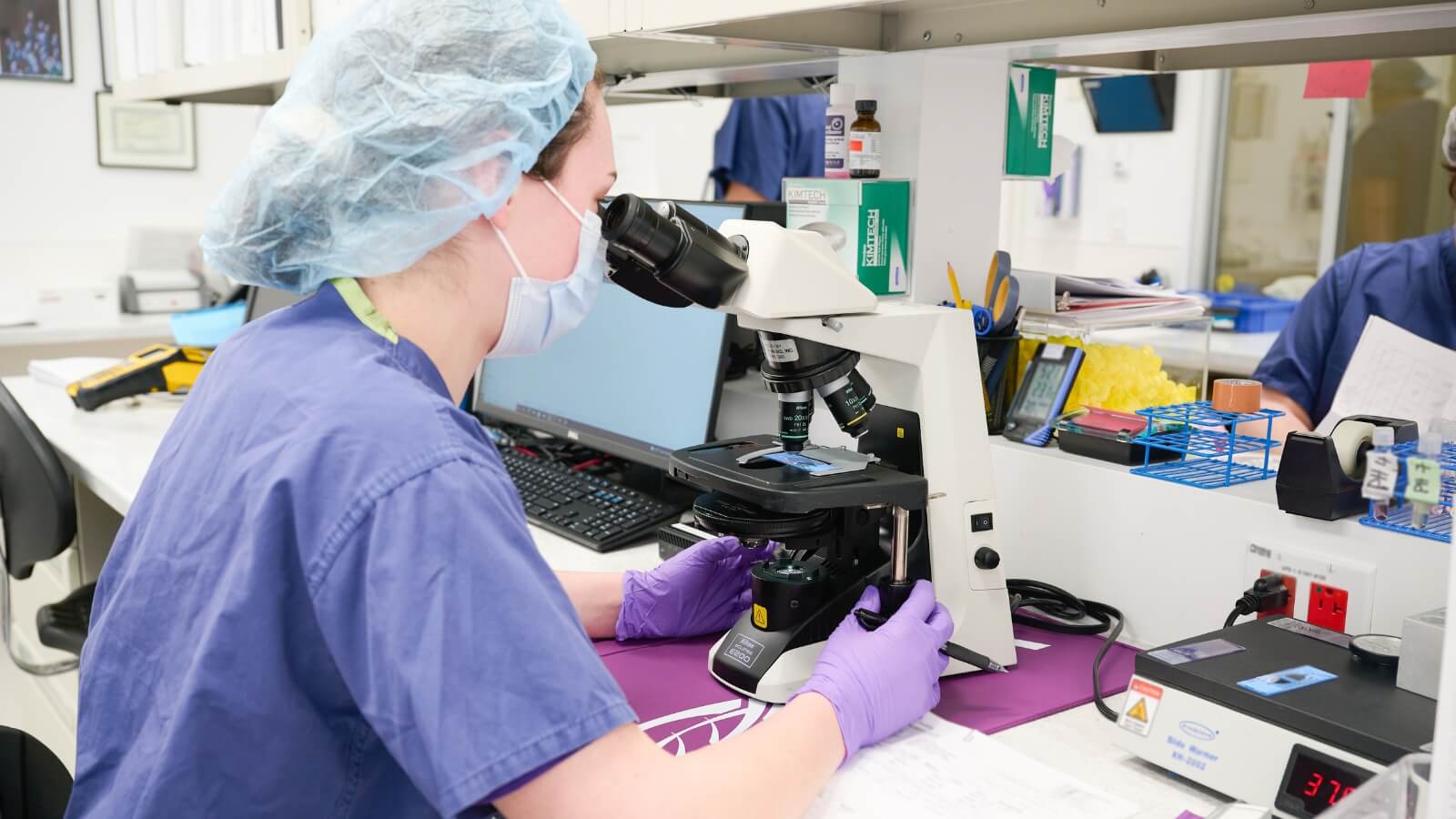
The spermogram, also known as a semen analysis, is the most complete evaluation of semen and sperm health.
What it evaluates:
- Sperm count
- Sperm motility (movement)
- Sperm morphology (shape and structure)
- Semen volume
- Semen pH
- Semen color and consistency
- Presence of white blood cells (which may indicate infection)
Why it matters:
The spermogram provides a full picture of reproductive health. Even if sperm count is normal, poor motility or abnormal shape can affect fertility. This test helps healthcare providers identify specific causes of infertility and determine appropriate treatment options.
What These Tests Reveal About Overall Men’s Health
Semen tests do more than evaluate fertility—they can also reveal other health concerns. Abnormal results may indicate:
- Infections in the reproductive system
- Hormonal imbalances, such as low testosterone
- Inflammation or prostate problems
- Effects of chronic diseases
- Impact of lifestyle factors like smoking, poor diet, or stress
Because sperm production is sensitive to overall health, semen quality often reflects general physical condition.
When Semen Testing Is Recommended
Healthcare providers may recommend semen tests if:
- A couple has difficulty conceiving after 12 months
- There are symptoms of reproductive infection
- There is a history of reproductive injury or surgery
- Hormonal disorders are suspected
- As part of a general fertility evaluation
How the Test Is Performed
Semen is collected through ejaculation into a sterile container, usually at a clinic or laboratory. Patients are often asked to avoid ejaculation for 2–5 days before the test to ensure accurate results.
The sample is then analyzed under a microscope and with laboratory techniques depending on the specific test.
Conclusion
Spermaculture, sperm count, and spermogram are essential tools for evaluating male reproductive and overall health. They help detect infections, measure sperm production, and assess sperm quality. These tests play a critical role in diagnosing fertility problems, guiding treatment, and monitoring reproductive health.
Maintaining a healthy lifestyle, seeking regular medical care, and undergoing appropriate testing when necessary can help preserve fertility and ensure long-term reproductive wellness.
Clinica Familiar Amistad is the first point of contact for approaching problems regarding men’s health.
Link to see our website: https://clinicafamiliaramistad.com/hombres/
Visit our Facebook: https://www.facebook.com/clinicafamiliaramistad
Visit our Instagram: https://www.instagram.com/clinicafamiliaramistad/
Visit our TikTok:
Visit us!
https://maps.app.goo.gl/3T9EBP5GJJQPzSHVA
Clinica Familiar Amistad
2944 Motley Dr #101, Mesquite, TX 75150