Tuberculosis, commonly known as TB, is an infectious disease that has affected humans for thousands of years. Despite major medical advances, TB remains a serious global health concern today. Understanding what tuberculosis is, how it spreads, and how it can be treated is essential for prevention and early care.
What Is Tuberculosis?
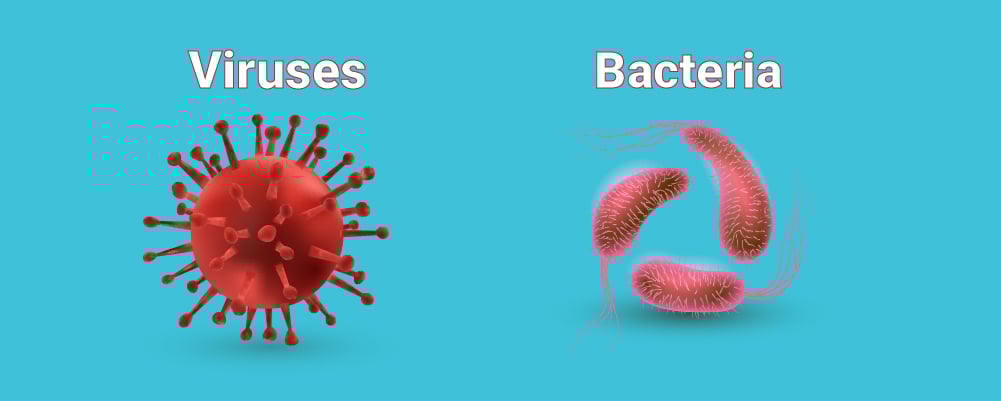
Tuberculosis is a bacterial infection caused by Mycobacterium tuberculosis. It most often affects the lungs (pulmonary TB), but it can also spread to other parts of the body such as the kidneys, spine, brain, and lymph nodes. When TB affects organs outside the lungs, it is called extrapulmonary TB.
How Tuberculosis Spreads
TB spreads through the air, not by touch. When a person with active pulmonary TB coughs, sneezes, talks, or laughs, tiny droplets containing the bacteria are released into the air. People nearby can inhale these droplets and become infected.
TB is not spread by:
- Sharing food or drinks
- Touching surfaces
- Handshakes or hugs
Latent TB vs. Active TB
Not everyone infected with TB bacteria becomes sick.
- Latent TB infection:
The bacteria remain in the body but are inactive. The person has no symptoms and is not contagious, but TB can become active later if the immune system weakens. - Active TB disease:
The bacteria multiply and cause symptoms. This form can spread to others and requires immediate treatment.
Common Symptoms of Active TB
Symptoms usually develop gradually and may include:
- Persistent cough lasting more than 3 weeks
- Coughing up blood or mucus
- Chest pain
- Fever and night sweats
- Fatigue and weakness
- Unintended weight loss
- Loss of appetite
Who Is at Higher Risk?
People at greater risk for developing active TB include:
- Individuals with weakened immune systems (e.g., HIV, diabetes)
- Older adults and young children
- People living in crowded or poorly ventilated environments
- Smokers and individuals with poor nutrition
Diagnosis and Treatment
TB is diagnosed using:
- Skin tests or blood tests
- Chest X-rays
- Sputum tests to detect the bacteria
Treatment involves taking antibiotics for 6 to 9 months or longer. It is extremely important to complete the full course of medication, even if symptoms improve early. Stopping treatment too soon can lead to drug-resistant TB, which is much harder to treat.
Can Tuberculosis Be Prevented?
Yes. TB prevention includes:
- Early detection and treatment
- Proper ventilation in living spaces
- Wearing masks in high-risk settings
- BCG vaccination, which is used in many countries to protect children from severe TB forms
Why Awareness Still Matters
Although TB is treatable and preventable, it remains one of the leading infectious causes of death worldwide. Raising awareness helps reduce stigma, encourages early testing, and supports public health efforts to control the disease.
Final Thoughts
Tuberculosis is more than a disease of the past—it is a current health issue that requires awareness, timely diagnosis, and proper treatment. With education and responsible healthcare practices, TB can be effectively controlled and, one day, eliminated.
Link to see our website: https://clinicafamiliaramistad.com/bien-venido/
Visit our Facebook: https://www.facebook.com/clinicafamiliaramistad
Visit our Instagram: https://www.instagram.com/clinicafamiliaramistad/
Visit our TikTok:
Visit us!
https://maps.app.goo.gl/3T9EBP5GJJQPzSHVA
Clinica Familiar Amistad
2944 Motley Dr #101, Mesquite, TX 75150