

Blood tests are one of the most powerful tools in modern medicine. With just a small sample, healthcare providers can gather critical information about how your body is functioning. From detecting early disease to monitoring chronic conditions, blood work plays a vital role in maintaining and protecting your health.
Why Are Blood Tests So Important?
Blood circulates through every organ and tissue in your body. Because of this, it carries valuable clues about your overall health. Changes in blood components can signal infection, inflammation, organ dysfunction, nutritional deficiencies, or even early stages of serious diseases.
Many conditions—such as diabetes, high cholesterol, anemia, and thyroid disorders—may not cause noticeable symptoms in their early stages. Routine blood tests can detect these issues before complications develop.
Common Blood Tests and What They Reveal
1. Complete Blood Count (CBC)
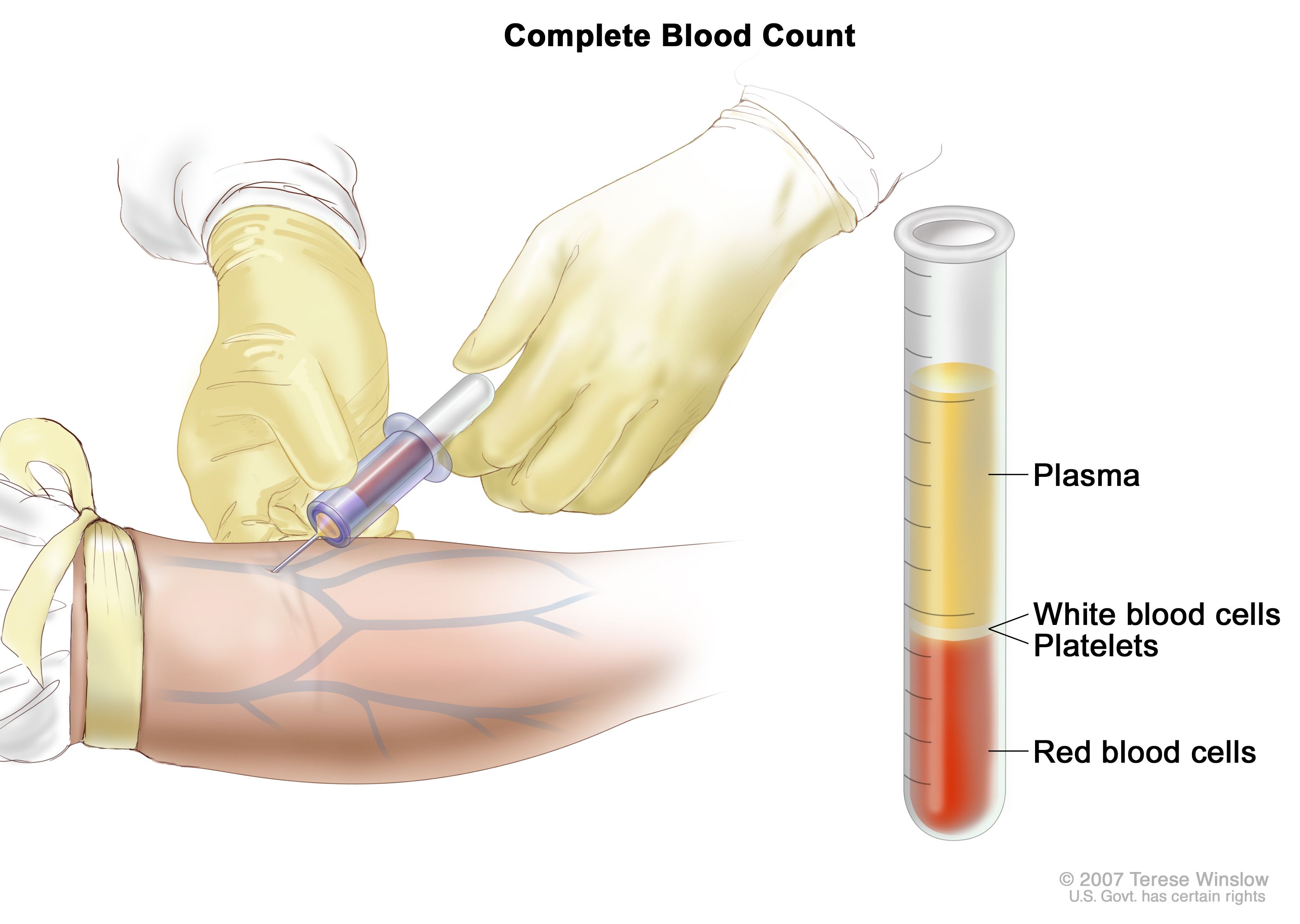

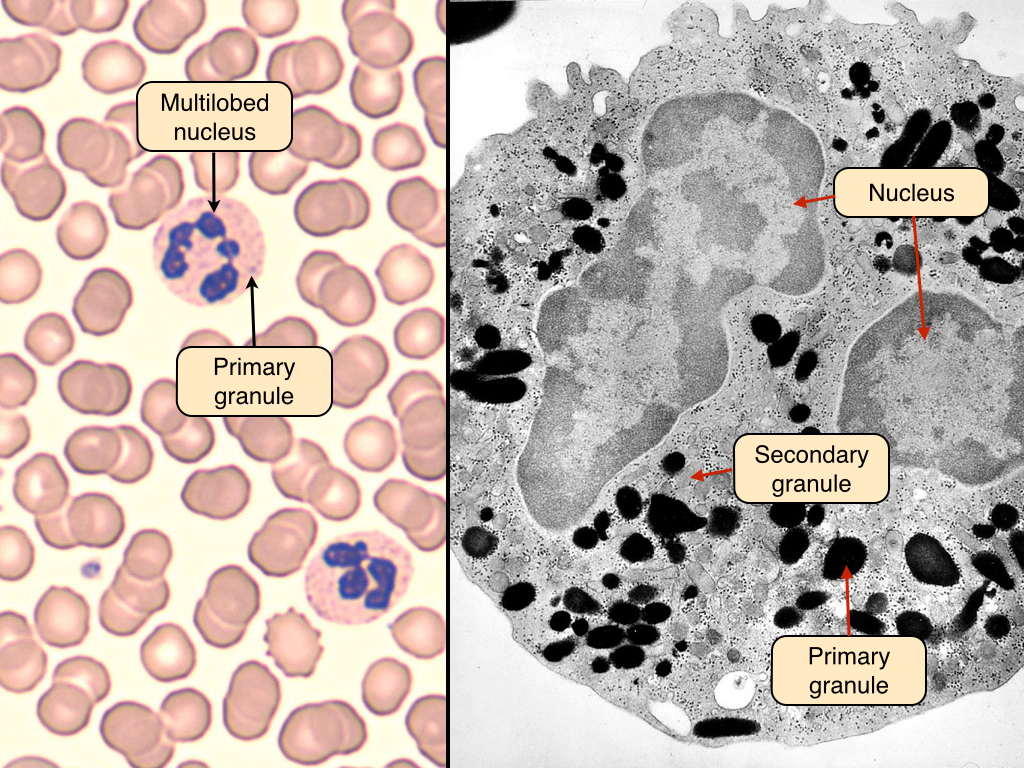

A Complete Blood Count (CBC) measures different components of your blood, including:
- Red blood cells (RBCs) – Carry oxygen
- White blood cells (WBCs) – Fight infection
- Hemoglobin – Oxygen-carrying protein
- Platelets – Help with blood clotting
This test can help detect:
- Anemia
- Infections
- Inflammatory conditions
- Certain blood disorders
2. Basic Metabolic Panel (BMP)

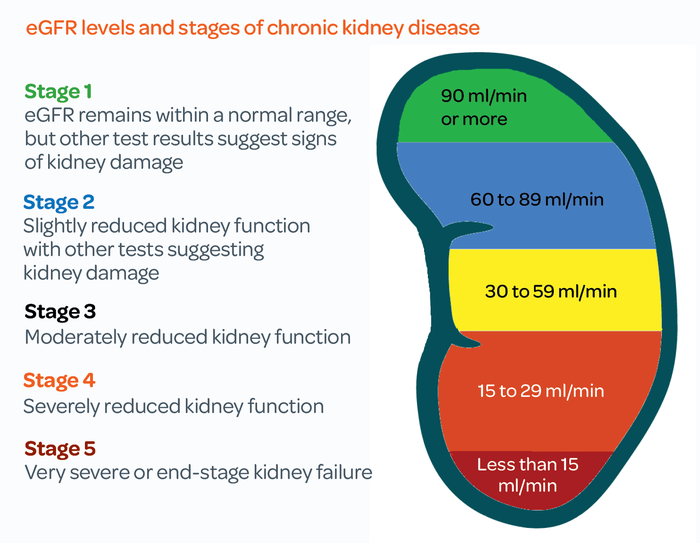
A Basic Metabolic Panel (BMP) evaluates important chemicals in your blood, including:
- Glucose (blood sugar)
- Electrolytes (sodium, potassium)
- Kidney function markers (BUN and creatinine)
This test is crucial for identifying:
- Diabetes
- Kidney problems
- Dehydration
- Electrolyte imbalances
3. Lipid Panel

A Lipid Panel measures:
- Total cholesterol
- LDL (“bad” cholesterol)
- HDL (“good” cholesterol)
- Triglycerides
Abnormal levels can increase your risk of heart disease and stroke. Monitoring cholesterol regularly allows you to make lifestyle changes or start treatment early.
4. Thyroid Function Tests


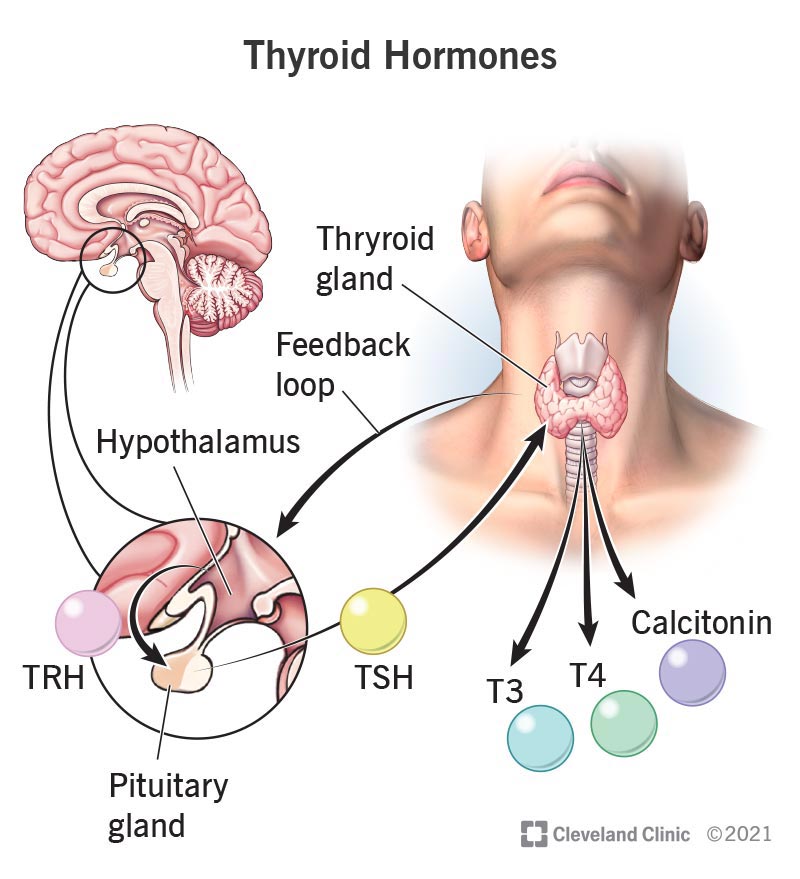
Thyroid tests measure hormones such as:
- TSH (Thyroid Stimulating Hormone)
- T3 and T4
These tests help diagnose:
- Hypothyroidism (underactive thyroid)
- Hyperthyroidism (overactive thyroid)
Because thyroid disorders can cause fatigue, weight changes, mood shifts, and heart problems, early detection is extremely important.
Early Detection Saves Lives
One of the greatest benefits of blood testing is early detection. Conditions like:
- Diabetes
- High cholesterol
- Liver disease
- Kidney disease
- Certain cancers
can often be identified before symptoms appear. Early treatment greatly improves outcomes and reduces long-term complications.
Monitoring Chronic Conditions
If you live with a chronic condition such as hypertension, diabetes, or thyroid disease, regular blood work helps:
- Track treatment effectiveness
- Adjust medications safely
- Prevent complications
- Ensure organ function remains stable
For example, a diabetic patient can monitor A1C levels to evaluate long-term blood sugar control.
Preventive Healthcare and Peace of Mind
Routine blood tests are not just for when you feel sick. Annual physical exams often include basic lab work to:
- Establish baseline health values
- Identify hidden issues
- Provide reassurance when results are normal
Knowing your numbers empowers you to take control of your health.
Blood tests are a simple yet powerful way to understand what is happening inside your body. They allow for early detection, guide treatment decisions, and support long-term wellness. Even when you feel healthy, regular blood work is an essential part of preventive healthcare.
Your blood tells a story—make sure you’re listening.
Link to see our website: https://clinicafamiliaramistad.com/bien-venido/
Visit our Facebook: https://www.facebook.com/clinicafamiliaramistad
Visit our Instagram: https://www.instagram.com/clinicafamiliaramistad/
Visit our TikTok:
Visit us!
https://maps.app.goo.gl/3T9EBP5GJJQPzSHVA
Clinica Familiar Amistad
2944 Motley Dr #101, Mesquite, TX 75150